When the Hunter Becomes the Hunted
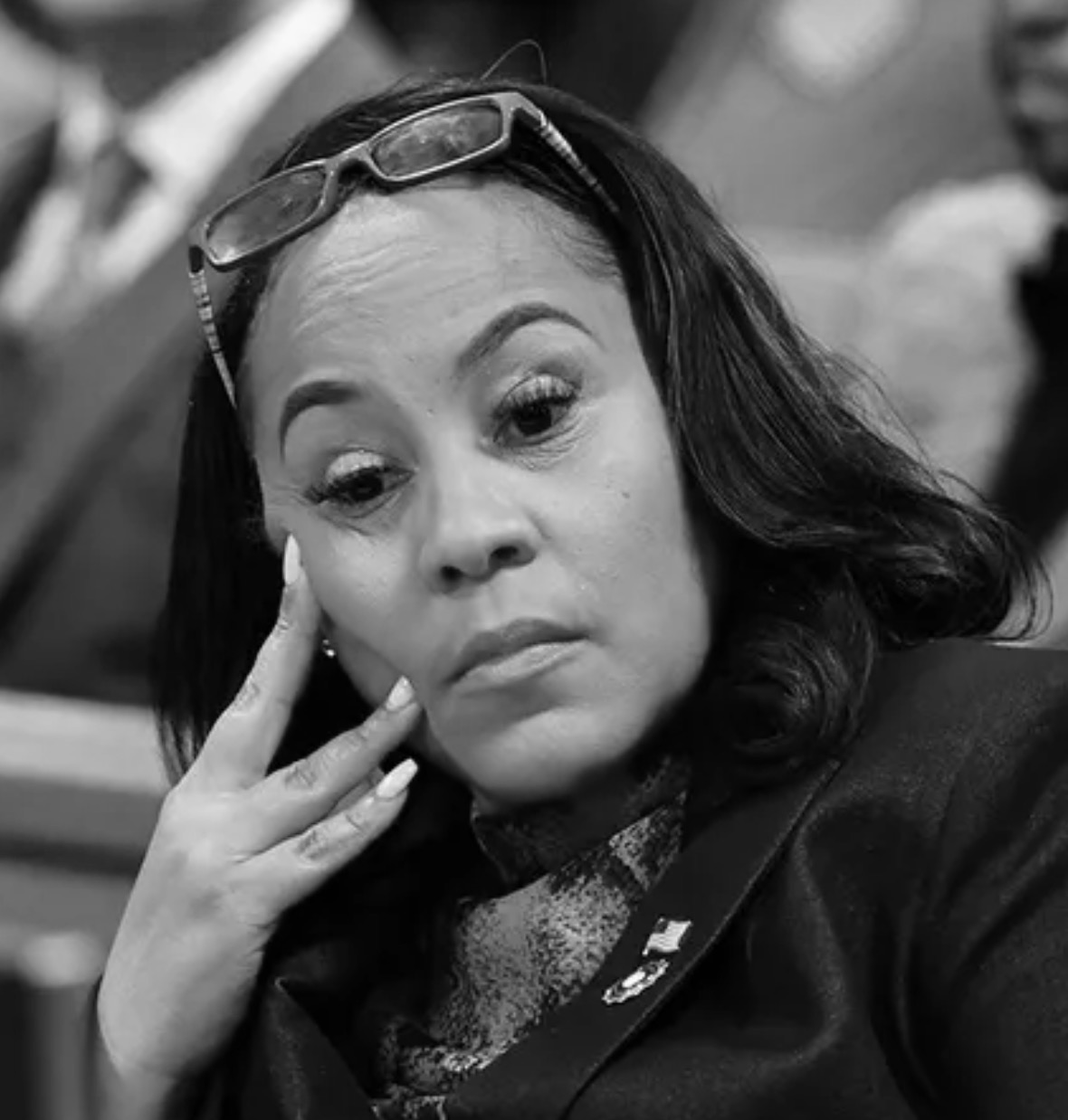
In December 2024, the Georgia Court of Appeals made an unprecedented decision: disqualifying Fulton County District Attorney Fani Willis from prosecuting the state’s election interference case against Donald Trump and 14 co-defendants, citing an “appearance of impropriety” stemming from her romantic relationship with special prosecutor Nathan Wade. What makes this extraordinary is not just the high-profile nature of the case, but the legal standard applied—and what it reveals about potential corruption of process in Georgia’s prosecutorial system.
The disqualification came despite trial judge Scott McAfee finding insufficient evidence to prove Willis financially benefited from the relationship, though he criticized it as a “tremendous lapse in judgment”. McAfee had ruled Willis could remain if Wade resigned, which he promptly did. But the appeals court went further, and the dissenting judge noted that for at least 43 years, Georgia appellate courts held that appearance of impropriety alone, without actual conflict or actual impropriety, provided no basis for reversing a trial court’s denial of disqualification.
This wasn’t a finding of corruption. It was a finding of appearance—a critical distinction that raises questions about whether the legal mechanisms themselves have been weaponized.
The Coffee County Problem: Jurisdictional Overreach at Scale
While the Willis disqualification grabbed headlines, the prosecution’s handling of the Coffee County election equipment breach reveals a more troubling pattern of overreach. On January 7, 2021, a forensics team entered the Coffee County elections office and copied Dominion voting software, ballot images, and voter data. The crime scene, the victims, and the perpetrators were all in Coffee County—a rural jurisdiction of 43,000 residents located approximately 200 miles from Atlanta.
Yet it was Fulton County DA Willis, not the Coffee County prosecutor, who brought charges. Four defendants—Sidney Powell, Coffee County GOP Chair Cathy Latham, Elections Supervisor Misty Hampton, and bail bondsman Scott Hall—were each charged with seven crimes including racketeering, conspiracy to commit election fraud, computer theft, computer trespass and invasion of privacy.
The use of Georgia’s RICO statute—designed for organized crime prosecutions—against small-town election officials who may have genuinely believed claims of election fraud raises significant questions. Hampton had provided what was construed as a “written invitation” to computer analysts after Atlanta attorney Preston Haliburton requested access to investigate alleged fraud. Were these sophisticated criminal masterminds, or local officials who made catastrophically poor judgments based on misinformation?
The power differential is stark: a major urban prosecutor with vast resources charging rural county officials for actions taken entirely within their own jurisdiction. This jurisdictional reach, enabled by conspiracy and RICO theories, establishes a troubling precedent for urban prosecutorial control over rural counties.
The Skandalakis Connection: When Family History Matters
After multiple prosecutors declined the appointment, Pete Skandalakis, executive director of the Prosecuting Attorneys’ Council of Georgia, appointed himself to take over the case. On its face, this seems procedurally sound—someone had to prevent dismissal of the case. But context matters.
Pete Skandalakis is the cousin of Mitch Skandalakis, the former Fulton County Commission Chairman who was sentenced to six months in federal prison and fined $100,000 in 2004 for lying to FBI agent Joe Tucker about voting on matters that benefited a contractor who had paid him $75,000. The same county. The same pattern of allegations versus proof gaps. The same institutional networks.
When examining corruption patterns in Georgia and Alabama—what might be called the “Cornbread Cosa Nostra”—family connections aren’t coincidental. They’re structural. They represent institutional continuity across decades, providing protection and maintaining influence even after individual falls from grace.
The Plea Deal Pattern: Dismantling the RICO Framework
Perhaps most revealing is what happened when defendants started taking plea deals. Sidney Powell pleaded guilty to six misdemeanors, down from felony racketeering and six other felonies. Kenneth Chesebro pleaded guilty to a single felony count of conspiracy to commit filing false documents, down from seven felonies including RICO. Scott Hall pleaded guilty to five misdemeanor counts. Jenna Ellis pleaded guilty to one felony count of aiding and abetting false statements and writings, down from two felonies including RICO.
In every single plea deal, Willis dropped the RICO charge—the very heart of her case theory. All defendants received deals under Georgia’s “first offender law,” meaning if they complete probation without violations, their records will be wiped clean. No jail time for anyone.
This raises a fundamental question: if the RICO charges were solid, why abandon them in every negotiation? The answer suggests these charges may have been, as Trump attorney Steve Sadow characterized them, “nothing more than a bargaining chip.”
An Irreparably Corrupted Process?
The convergence of factors creates legitimate questions about process corruption:
- An unprecedented disqualification standard applied selectively
- Jurisdictional overreach into rural counties 200 miles away
- RICO charges used as leverage, then systematically abandoned
- Family connections between past Fulton County corruption and current case handlers
- Universal reluctance among prosecutors to touch the case
When contacted, several prosecutors were “respectful and professional” but all declined. This pattern of institutional fear—a known marker in corruption research—suggests the legal community recognizes something fundamentally problematic about this prosecution.
The question isn’t whether individual actors broke laws. It’s whether the process itself has been corrupted through the selective application of unprecedented legal standards, the weaponization of jurisdictional reach, and the maintenance of institutional networks that protect certain interests while targeting others.
For researchers documenting corruption patterns in Georgia and Alabama, the Willis case and Coffee County prosecutions represent a potential evolution: from the crude bootlegger violence of the 1960s to the sophisticated manipulation of legal mechanisms in the 2020s. Same geographic concentration. Same institutional protection. Different methods.
Whether this represents actual corruption or merely its appearance may ultimately be irrelevant. In both cases, public confidence in the integrity of the system is destroyed—which may be the point.